
Sri Guru Prahaash Marketing
Pulses & Legumes
Our pulses are machine cleaned, sortex graded, and available in multiple quality grades and packaging formats ensuring consistent quality, accurate sizing, and minimal admixture in every shipment. We supply to markets across South Asia, East Africa, the Middle East, and Southeast Asia, with full documentation and certificates of analysis available on request.
What we serve
Whole and split varieties to dehusked and polished grade pulses.
01.

Whole Pigeon Peas (White Cap)
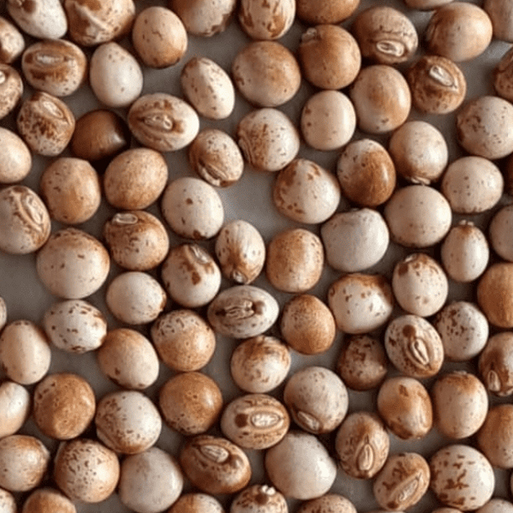
White cap pigeon peas are a premium variety of whole toor, recognised by their characteristic pale, white-tipped appearance. Grown primarily in the black cotton soil belts of central and western India, they are known for their uniform size, clean husk, and excellent cooking quality. They cook to a soft, creamy texture with a mild, earthy flavour
02.

Whole Red Pigeon Peas (Red Cap)
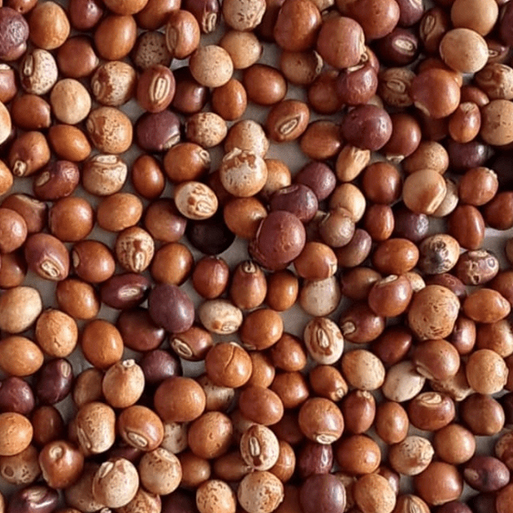
Red cap pigeon peas are distinguished by their reddish-brown husk and slightly bolder, more robust flavour compared to the white cap variety.They hold their shape well during cooking, making them suitable for thick dals, curries, and slow-cooked preparations. Like all pigeon peas, they are an excellent source of protein, complex carbohydrates, and B vitamins.
03.

Split Pigeon Peas / Toor Dal
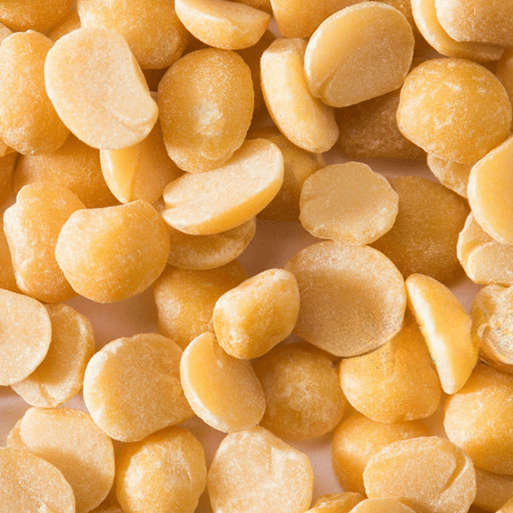
One of the most consumed pulses in India, split pigeon peas also commonly known as toor dal or arhar dal — are produced by dehusking and splitting whole pigeon peas. The result is a golden-yellow lentil that cooks quickly and breaks down into a smooth, velvety consistency. Our toor dal is available in both oily and non-oily variants, and in multiple sortex grades to suit different market requirements. High in protein, low in fat, and a significant source of folate and magnesium.
04.

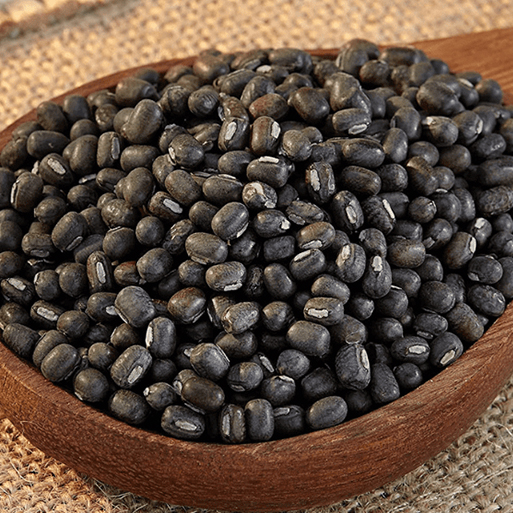
Whole Black Gram / Urad Dal / Sabut Urad Dal
Whole black gram, known as sabut urad, is the unhulled form of urad bean which is small, black-skinned, and dense with nutrition. Its earthy, slightly nutty flavour and creamy interior make it the star ingredient in dishes like dal makhani, a slow-cooked preparation beloved across North India and increasingly popular worldwide.Whole black gram is one of the richest plant sources of protein and is also high in dietary fibre, iron, calcium, and magnesium, making it nutritionally significant in both vegetarian and vegan diets.
05.

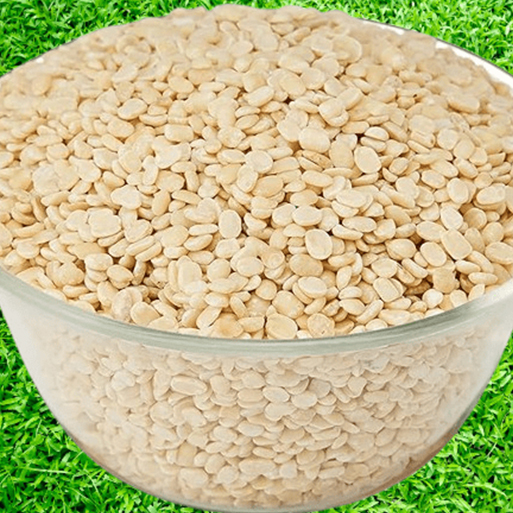
Split Black Gram / Urad Dal / Split Urad Dal / Maa Ki Dhuli Daal
Split black gram, or urad dal, is produced by splitting the whole black gram and removing its husk, revealing a creamy white interior. Its high mucilaginous (binding) property makes it particularly valued in fermented batters and snack manufacturing. Split black gram is also used in Ayurvedic dietary practices for its nourishing and strengthening properties. It is a good source of protein, dietary fibre, Vitamin B6, and potassium, and is naturally low in fat.
Storage & Preservation Guidelines
- Use Airtight Containers: Store split pigeon peas in clean, dry, airtight containers to prevent moisture and pests from affecting their quality.
- Keep in a Cool, Dry Place: Store the containers of split pigeon peas in a cool, dry, and well-ventilated area away from direct sunlight to maintain freshness.
- Use Moisture Absorbers: Consider adding moisture-absorbing packets or desiccants to the containers to prevent humidity buildup and extend shelf life.
- Inspect for Pest Infestation: Regularly inspect the stored split pigeon peas for any signs of pest infestation, such as insects or larvae, and take appropriate measures to eliminate them if detected.
- Rotate Stock: Practice FIFO (first in, first out) rotation to ensure that older stock is used first, minimizing the chances of spoilage or deterioration.
- Avoid Exposure to Air: Minimize exposure to air by tightly sealing the containers after each use to prevent oxidation and maintain optimal freshness.
- Label Containers: Clearly label the containers with the date of purchase or packaging to track freshness and ensure proper rotation.
- Avoid Temperature Fluctuations: Avoid storing split pigeon peas in areas prone to temperature fluctuations, as extreme heat or cold can accelerate spoilage.
- Store Away from Strong Odors: Keep split pigeon peas away from strong-smelling foods or substances as they can absorb odors, affecting their flavor and quality.
- Check for Rancidity: Periodically check the split pigeon peas for signs of rancidity, such as off smells or discoloration, and discard any spoiled batches promptly.
Have queries?
Frequently Asked Questions
Yes, we offer customized packaging solutions to meet the specific requirements of our clients, including bulk packaging, branded packaging, and private labeling.
Yes, we offer samples of our products for testing purposes. Please contact our sales team to request samples, and we’ll be happy to assist you.
When stored properly in a cool, dry place, Whole Black Gram can maintain its quality for up to one year. We recommend storing it in an airtight container to preserve freshness.
If stored properly, Toor Dal can last for up to 6-12 months without losing its quality.
When stored properly in a cool, dry place, Split Black Gram or Urad Dal can maintain it’s quality for up to one year. We recommend storing it in an airtight container to preserve freshness.